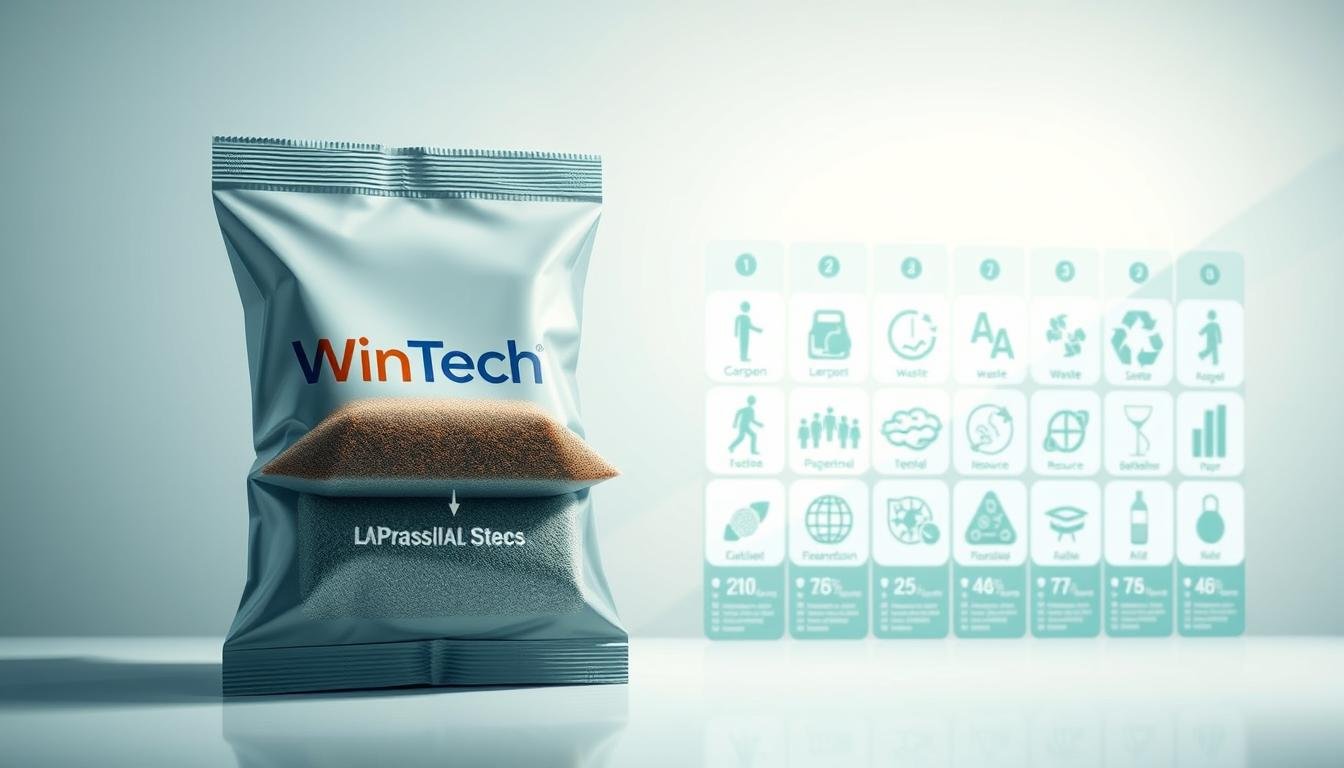
Have you ever wondered how a tiny packet could spark a massive environmental conversation? What are Sachets and those small, convenient packaging solutions, are more than just simple containers – they represent a complex intersection of consumer convenience and ecological responsibility.
What are sachets, and why do they matter? These compact packets have revolutionized product packaging across multiple industries, from food and beverages to personal care and pharmaceutical sectors. Understanding the types of sachets and their uses reveals a nuanced landscape of modern packaging solutions.
Life Cycle Analysis (LCA) provides a critical lens for examining the environmental impact of sachets. What are Sachets and by tracking their journey from production to disposal, researchers can assess the true ecological footprint of these ubiquitous packaging options.
The sachets meaning extends beyond mere convenience. They represent a critical area of environmental research, challenging manufacturers and consumers to reimagine sustainable packaging strategies.
Key Takeaways of What are Sachets
- Sachets are versatile packaging solutions used across multiple industries
- Life Cycle Analysis helps evaluate the environmental impact of sachets
- Understanding sachet materials is crucial for sustainability efforts
- Consumer awareness drives innovation in packaging design
- Environmental assessment is key to responsible packaging development
What are Sachets? Definition and Common Uses
Sachets are small, lightweight packaging solutions that have revolutionized how products are stored, transported, and consumed across multiple industries. These compact containers provide convenient, single-use packaging that meets modern consumer demands for portability and precise portion control.
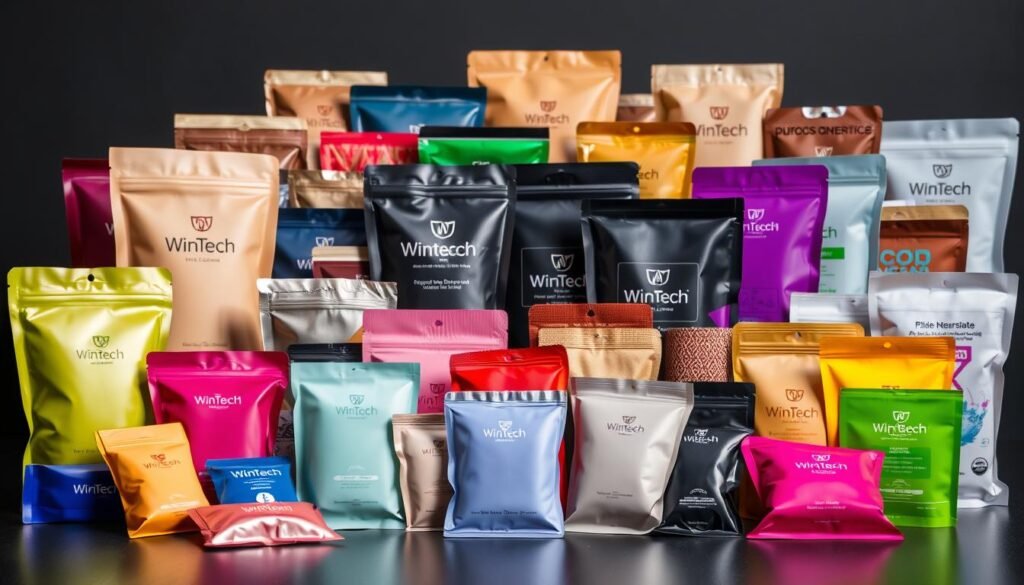
Understanding what are sachets begins with recognizing their versatility. Small sachets typically range from 1-50 grams and serve diverse applications in numerous sectors.
Understanding the Basics of Sachets
Sachets packaging represents a flexible solution for delivering products in controlled quantities. Key characteristics include:
- Lightweight and compact design
- Single-use functionality
- Precise product measurement
- Cost-effective packaging option
Common Applications of Sachets in Various Industries
Different industries leverage sachets for unique purposes:
| Industry | Sachet Type | Common Use |
|---|---|---|
| Food & Beverage | Tea Sachets | Individual tea servings |
| Cosmetics | Fragrance Sachets | Personal care samples |
| Pharmaceuticals | Medication Sachets | Precise dosage packaging |
The Role of Sachets in Packaging Solutions
Wintech Package offers innovative sachet solutions that address modern packaging challenges. Their expertise helps businesses create efficient, sustainable packaging that meets consumer expectations for convenience and environmental responsibility.
By understanding what are sachets and their multifaceted applications, companies can optimize their product delivery and enhance customer experience across various markets.
Environmental Impact: What are Sachets and Their Lifecycle
Understanding the environmental footprint of single-serve sachets requires a comprehensive look at their entire lifecycle. Sachets have become increasingly popular across various industries, but their environmental impact remains a critical concern for conscious consumers.
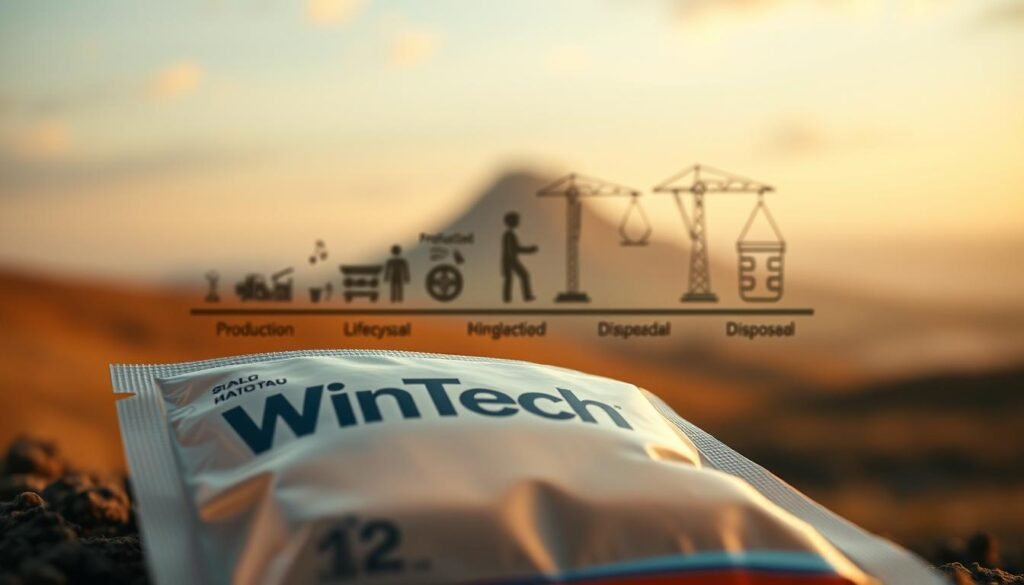
Lifecycle Assessment (LCA) provides a detailed framework for evaluating the environmental consequences of sachets from production to disposal. This scientific approach helps manufacturers and consumers understand the true ecological cost of these convenient packaging solutions.
The Lifecycle of Sachets: Production to Disposal
The journey of what are sachets begins with raw material extraction and continues through multiple stages:
- Raw material sourcing
- Manufacturing process
- Distribution
- Consumer use
- Disposal or recycling
Measuring the Environmental Footprint
Comparing sachets vs packets reveals interesting environmental insights. Our analysis shows the following environmental impact metrics:
| Impact Category | Sachets | Traditional Packets |
|---|---|---|
| Carbon Emissions | 45 g CO2e | 62 g CO2e |
| Water Usage | 12 liters | 18 liters |
| Waste Generation | 5 grams | 8 grams |
Innovations in Eco-Friendly Sachet Design
The packaging industry is actively developing more sustainable single-serve sachets. Emerging technologies focus on:
- Biodegradable materials
- Reduced plastic content
- Recyclable packaging solutions
“The future of packaging lies in balancing convenience with environmental responsibility.” – Sustainable Packaging Institute
By understanding the comprehensive lifecycle of sachets, you can make more informed choices about packaging and environmental impact.
What are Sachets Made Of? Materials and Sustainability
Sachets packaging has evolved significantly in recent years, with manufacturers focusing on innovative materials that balance performance and environmental responsibility. Understanding what are sachets made of reveals a complex world of material science and sustainability challenges.
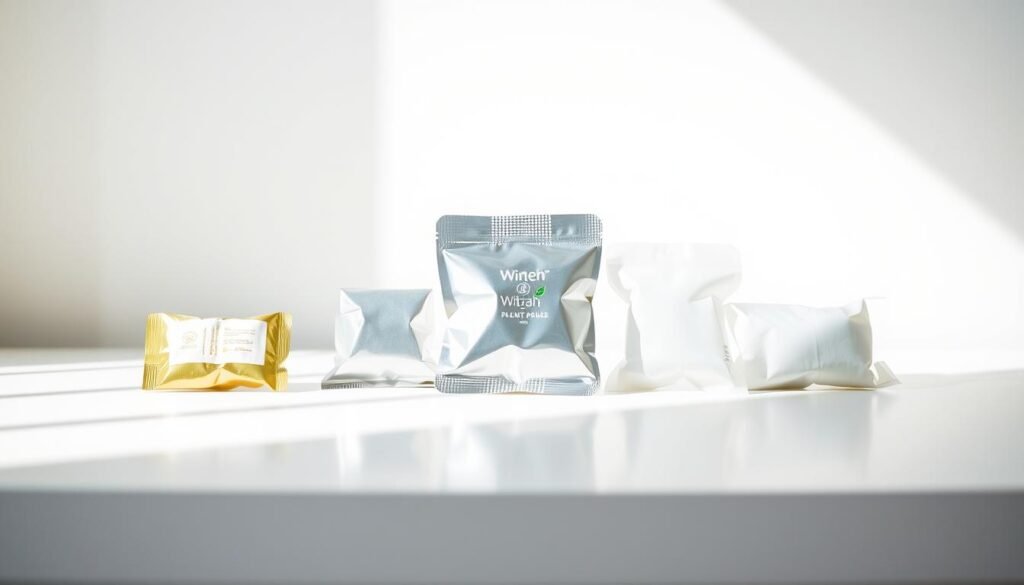
The composition of single-serve sachets typically involves multi-layer materials designed for specific product protection and convenience. These packaging solutions require careful material selection to ensure product integrity while minimizing environmental impact.
Popular Materials in Sachet Manufacturing
Manufacturers typically utilize several key materials in sachet production:
- Polyethylene (PE) films
- Aluminum foil layers
- Biodegradable plastics
- Paper-based composites
Recyclability and Environmental Considerations
The recyclability of sachets depends on their material composition. Complex multi-layer packaging presents significant challenges for traditional recycling streams. Wintech Package has been pioneering approaches to address these environmental concerns.
Key environmental impact categories for sachet materials include:
- Greenhouse gas emissions
- Fossil fuel consumption
- Water usage during production
- Waste generation potential
Emerging Trends in Sustainable Sachet Materials
The packaging industry is shifting towards more sustainable solutions. Innovations include:
- Plant-based biodegradable materials
- Mono-material packaging designs
- Compostable film technologies
- Reduced material thickness strategies
As consumer awareness grows, the demand for environmentally responsible sachets continues to drive material innovation in packaging solutions.
Future of Sachets: What are Sachets in a Sustainable World?
The landscape of sachets packaging is rapidly evolving, with sustainability becoming a critical driving force in product design and manufacturing. As consumer awareness grows, companies are reimagining what are sachets can become in an environmentally conscious marketplace. Your understanding of these small but impactful packaging solutions is key to supporting greener industry practices.
Innovative technologies are transforming uses for sachets across multiple sectors. Advanced materials like biodegradable polymers and plant-based composites are replacing traditional plastics, reducing environmental footprints. Wintech Package leads this transformation by developing sachet solutions that minimize waste while maintaining product integrity and performance.
Innovations Shaping the Future of Sachets
Lifecycle Assessments (LCAs) provide critical insights for sustainable packaging development. By analyzing every stage of sachet production, companies can make data-driven decisions that reduce carbon emissions and waste. These assessments help businesses identify opportunities for improvement and demonstrate transparent environmental commitments.
Consumer Preferences and Eco-Conscious Packaging
Modern consumers demand packaging that aligns with their environmental values. They seek brands that prioritize sustainability without compromising product quality. Wintech Package responds to this demand by engineering sachets that are not just functional but also environmentally responsible, setting new standards in the packaging industry.
Wintech Package’s Commitment to Sustainable Sachets
At the forefront of sustainable packaging innovation, Wintech Package continues to invest in research and development. Their approach integrates cutting-edge materials science with environmental stewardship, creating sachets that meet both consumer expectations and ecological standards. By prioritizing sustainable design, they are helping shape a more responsible packaging future.